First Take: Freeze-Dried Merchandising
Simple, recognizable ingredients that are nutritious—those are just three reasons why more pet parents are reaching for freeze-dried products. Highly palatable and digestible, the category aligns naturally with the growing population of health-conscious pet owners who want food choices for their pets that mirror their own wellness goals.
As the category matures, success is not just determined by product quality, but by how effectively brands meet consumers where they shop.
Reaching pet parents through strong retail partnerships is where many companies are focusing in the year ahead. “The biggest trend we’re paying attention to is execution at retail. Freeze-dried has matured enough that success isn’t about being the loudest brand; it’s about being the clearest. Retailers and consumers want straightforward answers: what’s in it, why it matters, and how to use it. Brands that simplify education at the shelf and support store teams will outperform those that rely solely on marketing claims,” said Ashton Hood, CEO of Shepherd Boy Farms, a family-owned business that crafts premium freeze-dried dog food and treats.
The need for clarity extends beyond the shelf and into how brands help to guide everyday decision-making.
Heather Govea, CEO of Vital Essentials, echoed the need for supportive consumer communication, “The biggest trend is a move toward merchandising that truly supports pet parents. They’re trying their best to make good nutrition choices, and the category hasn’t always made that easy. Clear protein callouts, simple navigation, and packaging that explains how freeze-dried fits into everyday life are becoming more important. Brands that help pet parents feel confident instead of adding more complexity are the ones building trust and earning long-term loyalty.”

“Consumers are prioritizing whole foods and limited ingredients,” confirmed Rachel D’Agostino, CEO of BIXBI Pet, in an earlier interview. “They want to see real ingredients and real results. We’re leaning into those expectations and continuing to focus on whole food nutrition.”
“In a higher-cost environment, value means more than price. It’s about delivering uncompromising quality and transparency,” D’Agostino added. “We continue to invest in ingredient integrity, process efficiency, and clear communication so customers feel confident in every purchase.”
The emphasis on health-first decision-making remains a consistent throughline across the category. Many surveys show that prioritizing pets’ health is top on pet owners’ list, leading to greater spending on pet food, which also mirrors their own health goals like high-protein diets. Brands are focusing on strengthening consumer trust through high-quality products and education to help pet parents better understand their pet feeding options without overwhelming them.
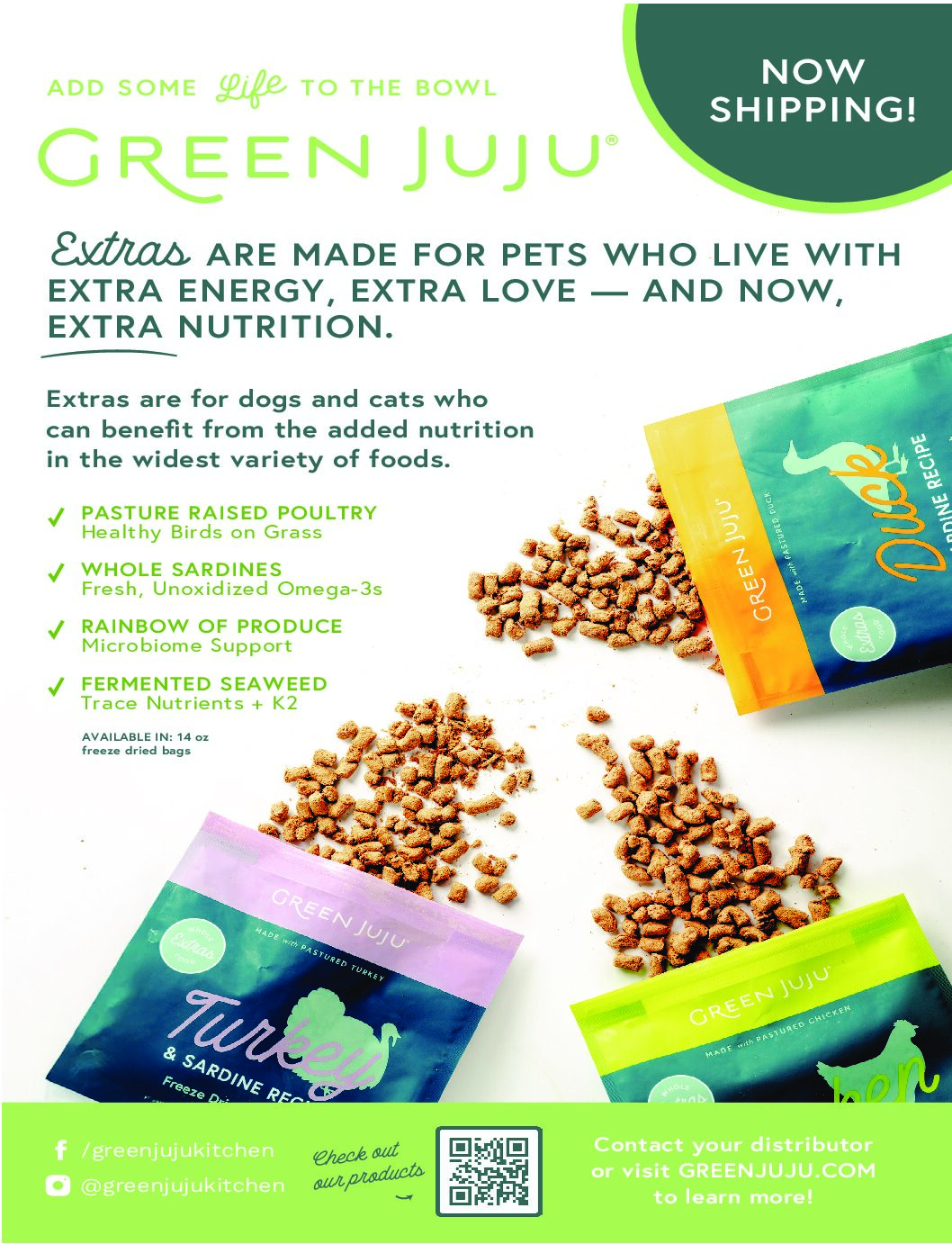
Kelley Marian, Owner and Founder of Green JuJu, has seen this shift firsthand. She shared her perspective previously on how healthy eating is affecting the category. “The pet industry as a whole is moving towards fresher foods, which is great. I love the language around fresh food instead of it just being raw. We try to speak to fresh a lot because raw can be pretty alienating, and fresh is what matters. There is also a lot of economic concern, and that’s where it’s important to remember that when it comes to what we’re feeding our pets, some is better than none. That is something we say a lot. You can make a huge impact in your pet’s bowl just by changing 20 percent of what you put in there. If you’re feeding kibble and put 20 percent fresh food in there, you can make a huge difference. It’s important from the manufacturer’s side to be aware of the economy and how we can still help people make a difference, even if it’s on a smaller scale.”
The balance between meeting demand and accessibility is shaping how manufacturers think about growth.
Hood noted that Shepherd Boy Farms’ top focus in 2026 will be, “Controlled growth without compromising quality. As demand continues to rise, we’re being very intentional about scale, protecting our ingredient standards, our manufacturing processes, and our relationships with retail partners. Growth only matters if it’s sustainable. For us, that means saying no to shortcuts and yes to consistency.”
As feeding formats diversify and messaging becomes more complex, clarity will become critical.
Govea of Vital Essentials is doubling down on helping pet parents navigate increasingly nuanced choices. Govea disclosed, “In 2026, we’re focused on helping pet parents better understand the differences between raw and gently cooked nutrition. With so many messages coming at them, it’s easy for things to feel unclear, especially when gently cooked looks more like human food. Pets have different nutritional needs, and minimally processed raw provides nutrients in the form that pets are built to digest. Our goal is to make that distinction simple and approachable through clearer communication and tools that support families wherever they are on their feeding journey.”
“We just need to be authentic and genuine about what we’re doing so that we’re not confusing our consumers,” explained Marian of Green JuJu in an earlier interview. “There’s nothing worse than somebody taking the jump from kibble to fresh food and everything goes wrong because maybe what they got wasn’t what they thought they were getting.”
Looking further ahead, improving economic conditions may give pet parents more flexibility to explore premium and hybrid formats. Dave DeLorenzo, VP of Sales and Marketing for Muenster Pet Foods, revealed previously, “There’s significant activity with current and potential customers to well support their 2026 strategies for freeze-dried treats, meals and kibble-plus. As macro-economic conditions improve, more pet parents embrace the nutritional quality, convenience and food safety from minimally processed freeze-dried treats and meals.”
“Thanks to an aggressive expansion in 2025 of freeze-dried treats and meals from pet specialty to mainstream retailers. The freeze-dried category is a leading growth segment in the pet industry today, second only to refrigerated pet foods,” said DeLorenzo.
Marian of Green JuJu shared a similar sentiment. “I think we’re going to keep seeing growth in the fresh food sector. I think that those brands, Farmers Dog and Ollie, they are an intro brand, and they may lead to people moving toward more of the brands in our independent pet world. Freeze-dried is almost always a gateway to raw. All paths lead towards more fresh food.”
She continued, “When I started this 12 years ago, people laughed in my face—literally—and now it is very common to see feeding fresh (especially dark leafy green) veggies to dogs being recommended.”
According to most leaders, there’s much to be optimistic about in the year ahead. Especially with the rise of how educated and thoughtful pet parents have become. Hood, from Shepherd Boy Farms, explained, “They’re reading labels, asking where ingredients come from, and holding brands accountable. That’s healthy for the category. When transparency becomes the expectation, companies that have always focused on quality don’t have to change their story; they just have to keep doing what they’ve been doing well.”
Heather Govea, CEO of Vital Essentials, voiced similar positivity. “I’m incredibly optimistic about how thoughtful pet parents have become. They want to make good choices for their pets and are paying closer attention to the role nutrition plays in long-term health. Freeze-dried fits naturally into that shift because it offers raw nutrition in a format that’s easy to store, easy to serve, and easy to feel good about. As more families find ways to add raw foods that fit their routine, we’re seeing a real move toward more mindful feeding.”
D’Agostino of BIXBI previously shared this silver lining, “Economic shifts push everyone to be more intentional. We see this as a chance to deepen trust and loyalty by standing firm in our commitment to quality, being transparent, and continuing to educate consumers on what real nutrition looks like.”
And during challenging economic times, D’Agostino explained, “Ingredient sourcing and transportation costs are areas we’re watching closely. We’re proactively strengthening supplier partnerships and building in flexibility so we can adapt quickly to changes without compromising on quality or availability.”
As the freeze-dried category evolves, it will be critical to stay relevant in the retail atmosphere to connect with pet owners. Hood of Shepherd Boy Farms said, “Relevance comes from making life easier for retailers and less confusing for consumers. Freeze-dried doesn’t need to feel premium-only or complicated. There’s a big opportunity in clear merchandising, entry points for first-time buyers, and better education around everyday use, not just special occasions. Brands that support sell-through, not just sell-in, will earn long-term space.”
Govea, of Vital Essentials, agreed on the power of simplicity. “Staying relevant means honoring how much pet parents care and making their experience as simple as possible. There’s a real opportunity in guiding shoppers clearly by protein, benefit, or feeding goal, and in offering trial-ready formats that make exploring raw feel easy and low-pressure. When we reduce complexity, more families can see the positive impact nutrition has on their pets’ health.”
Where is innovation in the category heading? Hood of Shepherd Boy Farms believed, “The next phase of innovation is discipline. We’ll see fewer gimmicks and more focus on formulation integrity, sourcing transparency, and operational excellence. One disruption to watch is increased scrutiny around claims, both from retailers and consumers. Brands that can back up what they say, and deliver the same quality at scale, will separate themselves as the category continues to grow.”
“Innovation is moving toward giving families more flexibility,” said Govea, of Vital Essentials. “Most households aren’t feeding 100 percent raw; they’re mixing, topping, or easing in, and innovation should reflect that. There’s no wrong way to feed raw, and the brands that offer options to fit different routines, budgets, and comfort levels will help even more pet parents feel confident bringing raw into the bowl.”
Pet ownership is projected to rise through 2026. According to the American Pet Products Association, there will be about 94-95 million pet-owning households in the US by early 2026. And thanks to more flexibility, greater education, and innovation, that growth is expected to translate into even more freeze-dried options in pets’ food bowls.