
First Take: Fish-Based Dog Treats
Packed with Omega-3s, fish-based treats are nutrient-dense, low-fat, and hypoallergenic. As more pet owners adopt healthy options for their pets, the category is growing.
From a retail perspective, Sally Trufant, Co-Owner of B&B Pet Stop, shared her views on what is driving growth. “For a long time, we’ve sold fish-based cat treats—everything from the small, dried shrimp treats to the dried whole minnows in a bag,” she said. “We’ve always told our customers that dogs love these treats, too, and there’s no reason they can’t have them. For dogs, though, fish is a novelty protein in pet treats. The market is saturated with beef and poultry-based pet treats, so fish is new and different. Also, more customers are aware of allergies and skin issues with their pets and might consider fish-based treats for their dogs to help with that.”
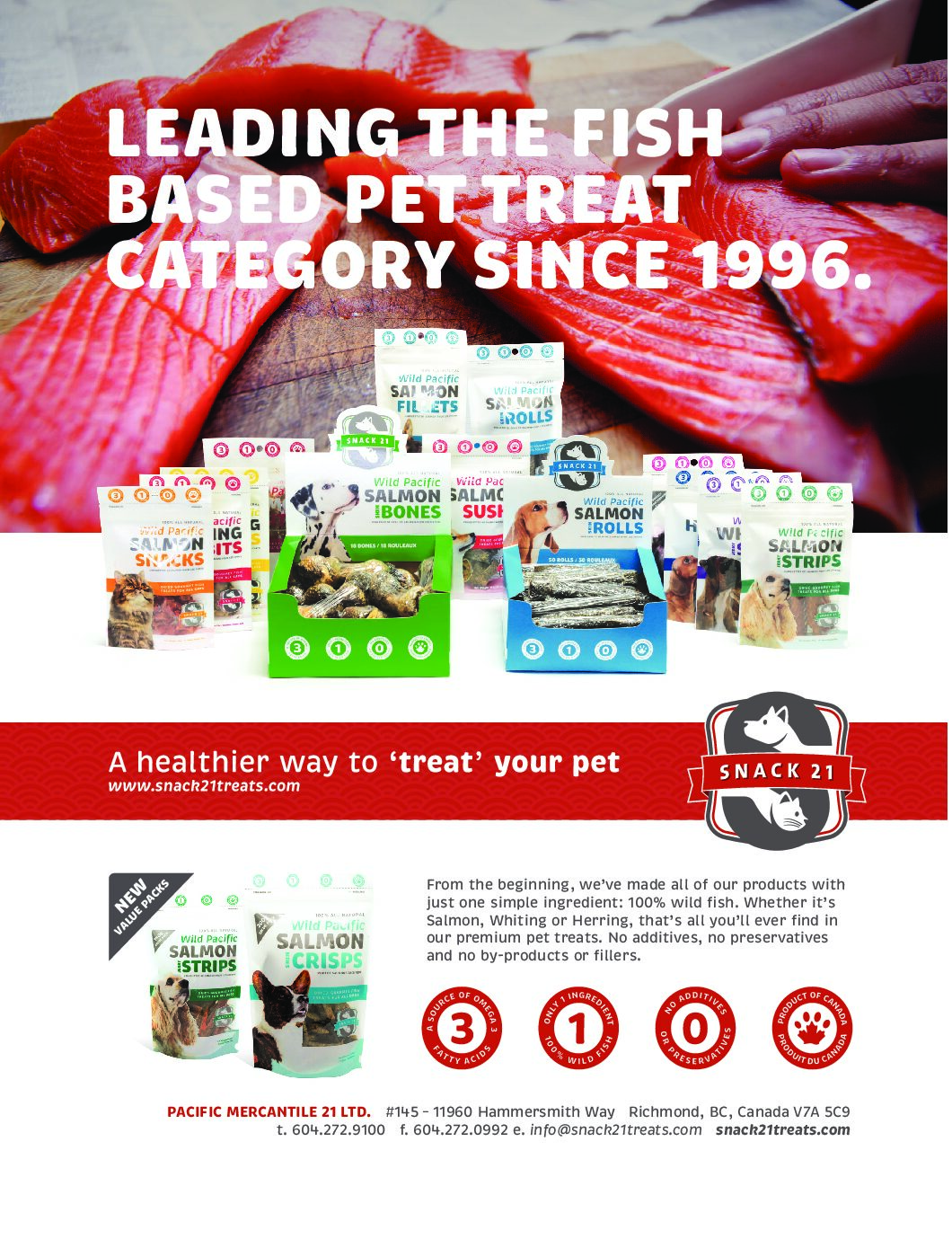
Lance Yamazaki, owner and GM of Pacific 21 Mercantile, reported, “I believe the trend will continue to revolve around functional, health-driven treats.” In a previous interview, he explained, “When we first introduced our treats, we had to overcome the stigma that fish is for cats and meat is for dogs. I still remember those early trade shows when I was consistently asked, ‘Fish for your dogs?’ Now, consumers are much more educated on the healthy benefits of Wild Pacific fish.” In fact, the company was developed in a moment of inspiration when the family dog was allergic to meat. This led to the idea of a salmon treat for cats and dogs using nature’s simplest means of preservation: drying.
“The biggest shift is how informed and discerning fish-based treat buyers have become,” shared Casey Perkal, Director of Ecommerce at Snif-Snax. “Pet parents see fish as one of the highest quality proteins available, and they’re evaluating ingredient transparency and simplicity. Pet parents today are much more educated, especially around fish-based proteins. They are reading labels, asking tougher questions about sourcing, and they lose trust quickly when products rely on fillers or vague byproducts.”
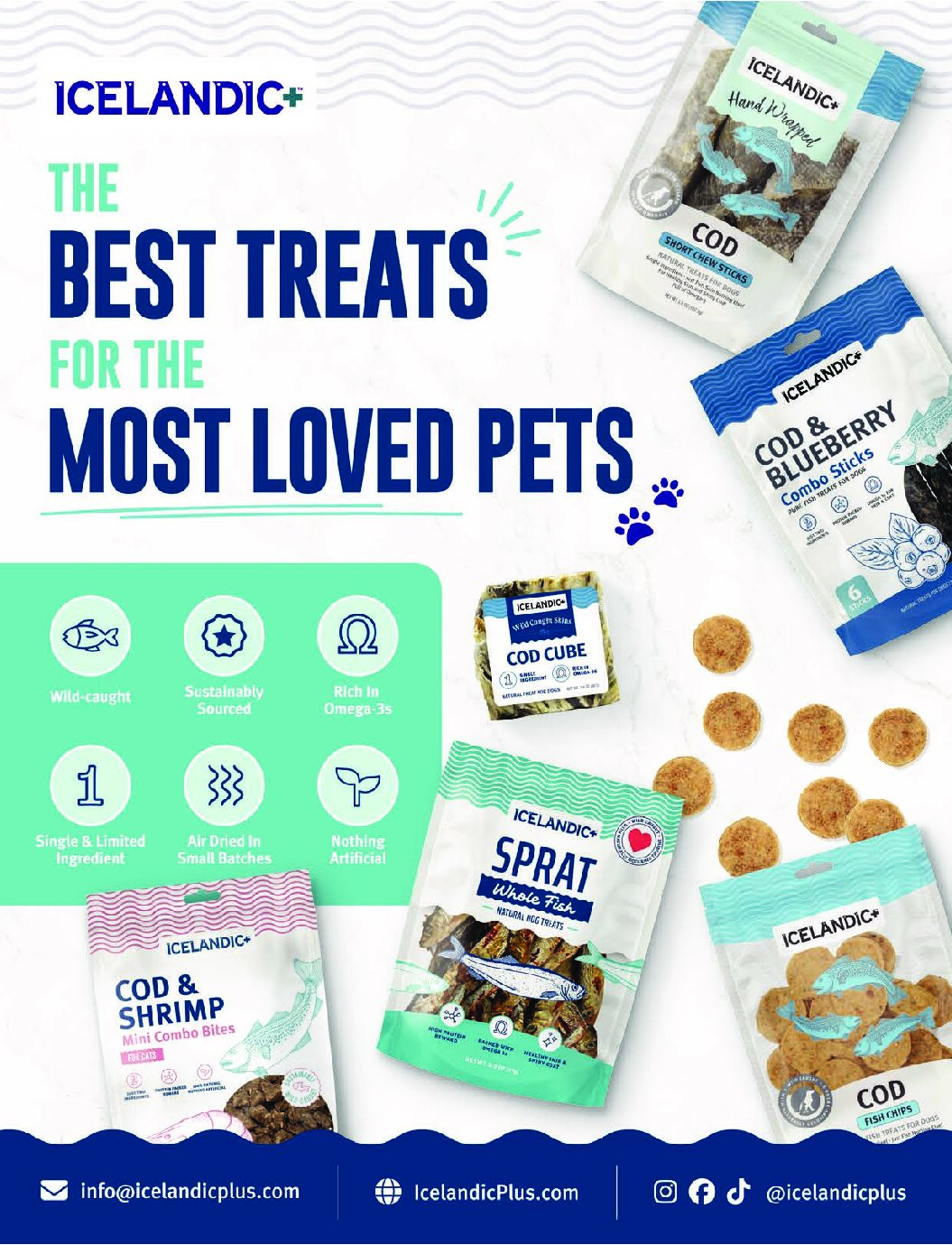
The most important trend for Icelandic+ is the shift of fish-based treats from niche to an everyday, healthy protein choice. Kersti Lee, VP Product Development and Brand Development of Icelandic+ said, “Pet parents are increasingly focused on limited ingredients, clean label nutrition and health benefits, which positions fish as a core offering rather than an alternative or specialty treat. Being able to clearly communicate the functional benefits of fish-based treats, along with details on sourcing, will earn retailer confidence and consumer loyalty.”
“As more and more consumers treat their pets as family members to be spoiled and indulged, they’re always on the lookout for something new and different to delight the palate,” Trufant of B&B Pet Stop said. “There is no sign that this trend is slowing down—if anything, it’s getting more prevalent every day.”
Fish-based treats are becoming a popular reward for training dogs thanks to the treat’s strong aroma. The natural fishy smell makes them great training motivators. Their unique palatability and flavor with texture options, chewy or crunchy, entice even the pickiest pup. Popular types include dried sprats, which are small whole fish, great for training, cod/white fish skin that are chewy, low-fat and good for sensitive stomachs, as well as salmon treats, which are an ideal limited-ingredient option.
With fish-based treats being embraced by more consumers and their pets, where are companies focusing in 2026? Trufant from B&B Pet Stop has noticed some manufacturers focusing on differentiating themselves in the category. “Salmon has long been available in pet foods and treats, but some manufacturers are using different fish in treats, such as air-dried Baltic sprat and Baltic herring,” she said.
Perkal at Snif-Snax replied, “Our focus is on thoughtful consumer-led innovation. We’re looking closely at how pet parents actually use and think about fish-based treats and extending what we already do well into new formats that make sense for pet parents. Everything we make starts with real salmon, not meals. That commitment sets a high bar for us, and it shapes how we decide what is worth bringing to market.”
Snif-Snax announced in a press release this past year that they will be reaching even more pet parents thanks to their new national distribution partnership with Phillips Pet Food & Supplies. “We are thrilled to announce a national distribution partnership with Blaine and the entire Phillips Pet Food & Supplies Team that greatly expands the availability of Snif-Snax’s award-winning products and better serves pet retailers across the USA,” said Kevin Fick, Chief Executive Officer of Snif-Snax. “Our mission has always been to provide pet owners with natural and healthy options for their pets, and this partnership will allow us to reach even more pet owners and independent pet stores that share our values and commitment to excellence. We are excited to see our brand grow and make a positive impact on the health and well-being of pets and pet store partners.”
Yamazaki of Pacific 21 Mercantile explained, “Snack 21 Pet Treats’ top strategic focus will be to continue the foundational strategy of emphasizing that all of our treats are single ingredient (Wild Pacific fish) and all natural.”
Sustainability is a focus of the Polkadog company who touts responsibly sourced products on their website. “We love working with like-minded folks who share our core beliefs and values. That’s why we handpick suppliers that are committed to ethical and sustainable practices.” Polkadog also focuses on messaging such as “Single and limited ingredient, always. No additives or preservatives, ever. Made right here in the USA.”
Icelandic+’s top focus is on brand growth and thoughtful channel expansion. “We remain firmly committed to responsibly sourced fish-based treats that resonate with both consumers and retailers, while delivering meaningful health benefits for pets,” relayed Lee of Icelandic+. “At the same time, we see a significant opportunity to expand beyond treats and into the bowl, extending our fish expertise into everyday feeding. As we grow, maintaining the integrity of our sourcing, supply chain and long-term partnerships remains a key area of focus.”
As the category embraces the healthy trend in pets, there is a lot to be optimistic about. Yamazaki of Pacific 21 Mercantile agreed, “Since Snack 21 aligns with clean label demand, we are very optimistic about the coming year as more and more buyers look for higher quality and ‘cleaner’ treats.”
Snif-Snax is optimistic about the momentum behind smaller, more intentional brands. “There is a noticeable shift away from mass-produced products and toward brands that feel more crafted and purposeful,” Perkal explained. “Pet parents want to understand where their pets’ food comes from, how it is made, and why it exists in the first place. That curiosity creates real opportunity for brands that are clear about their purpose and disciplined about what they offer.”
“I’m optimistic about how informed the market has become on the benefits of fish beyond being a novel protein for pets,” shared Lee of Icelandic+. “Consumers and retailers alike are asking great questions about protein sourcing, ingredient simplicity, and sustainability and that benefits a brand like Icelandic+ that has been committed to these principles from the start. There is a growing consumer adoption not just of fish-based treats, but for fish-forward nutrition overall, as pet parents look to integrate naturally occurring, functional benefits into everyday feeding.”
Where else are there opportunities in the category? Yamazaki of Pacific 21 Mercantile replied, “More fish formats and more nutritional focus. It will be important to continue to educate consumers on the nutritional benefits of fish-based treats via social media and through retailers.”
For companies like Polkadog, the opportunity is in expansion. According to a press release from July 2025, “Polkadog, the Boston-based dog treat company best known for their original, single ingredient Cod Skins, is expanding their reach into the Southeast with distribution partner Pet Food Experts. Independent pet stores in Florida, Georgia, Tennessee, North Carolina, South Carolina, and Alabama will now have the opportunity to carry the full Polkadog line.”
For other companies, innovation is leading the way. “Innovation is moving past simple flavor variations and into texture, processing, and overall product integrity,” Perkal of Snif-Snax explained. “Pet parents are increasingly drawn to treats that highlight the natural qualities of fish rather than trying to disguise them. Smoked, crispy salmon skins are a good example of that shift. They are simple, functional, and clearly different from traditional soft or heavily processed treats. I expect more brands to lean into this direction: fewer ingredients, clearer processes, and less unnecessary complexity.”
“In the fish-based treat category, innovation is increasingly shaped by species availability, fishing quotas and sustainable fishing practices. These supply realities are becoming central to product development and portfolio strategy. At any time, disruptions, big and small, can occur that cause a pivot in direction, so it becomes more and more critical to build in flexibility and diversify the supply chain to ensure supply remains reliable, responsible and scalable,” said Lee of Icelandic+.
Fish-based treats are another example of the broader shift toward healthier, naturally sourced foods. From the dinner plate to the pet bowl, consumers and brands are proving that what goes in matters. As pet parents demand cleaner labels, functional nutrition, and real sourcing stories, fish-based treats are reshaping how retailers, brands, and consumers think about everyday pet nutrition.