First Take: Natural Litter
The usage of natural, plant-based cat litter is a growing trend, with 17 percent of US cat owners buying these products as of 2025, up from 12 percent just two years prior, according to Freedonia Market research. A major driver for the shift to natural litters is consumers who want environmentally friendly options as well as non-toxic and chemical-free solutions for their cats.
For companies like Healthy Pet, the environment is a top focus. Ted Mischaikov, CEO of Healthy Pet, reported, “Our strategic focus for 2026 is thoughtfully scaling sustainable manufacturing to support healthier pet products, while reducing our environmental footprint. That includes improving processes and materials to minimize waste, energy use, and emissions without compromising product quality or pet safety. By measuring and clearly communicating our impact, sustainability becomes a source of trust, credibility, and long-term growth with retail partners and consumers so that ‘natural/sustainable’ truly lives up to expectations. We must continue to educate the consumer to understand the true environmental impact of the choices they make.”
The natural cat litter has not just grown, it has evolved and so have pet owners. Jean Broders, Director of Marketing of World’s Best Cat Litter, said, “Millennials and Gen Z consumers are prioritizing litters with superior odor control, reduced dust and environmentally friendly benefits. This is largely due to wanting the best for their ‘fur babies’ and a clean home. They also prioritize health. Our Health Check-In Litter Additives are a sure-way to stay on top of their cat’s health, by detecting blood in their urine early. This is right on trend with what consumers are looking for. In addition, they are also looking towards tech items that will help detect and regulate their pet’s health.”
A new but constant conversation in 2025 wasn’t about the benefits of litter, but the cost. According to various media sources, inflation significantly affected natural litter sales by increasing prices and causing some consumers to seek less expensive alternatives, though demand for natural and organic pet products has shown resilience overall.
Many companies found the silver lining in this economic challenge. Shannon Supanich, Director of Marketing of Pioneer Pet Products, previously stated, “There is always room for improvement. So, we are using this time to really look at our facilities, product, and strategic plans to see where we can improve. Team leaders have had a lot of productive conversations, and we hope to implement some new ideas and ways to maximize efficiency.”
Broders of World’s Best Cat Litter saw the bright side in how cat ownership is booming. She conveyed, “As cat ownership continues to grow, cat product brands are positioned to gain from this growth. For years, the focus has been solely on dog products, but there is share to capture in all things cats! We check a lot of boxes for what cat owners are looking for, with offering a premium product—innovation around health and sustainability—and making an emotional connection with our consumers. All winning attributes to have to lead the category.”
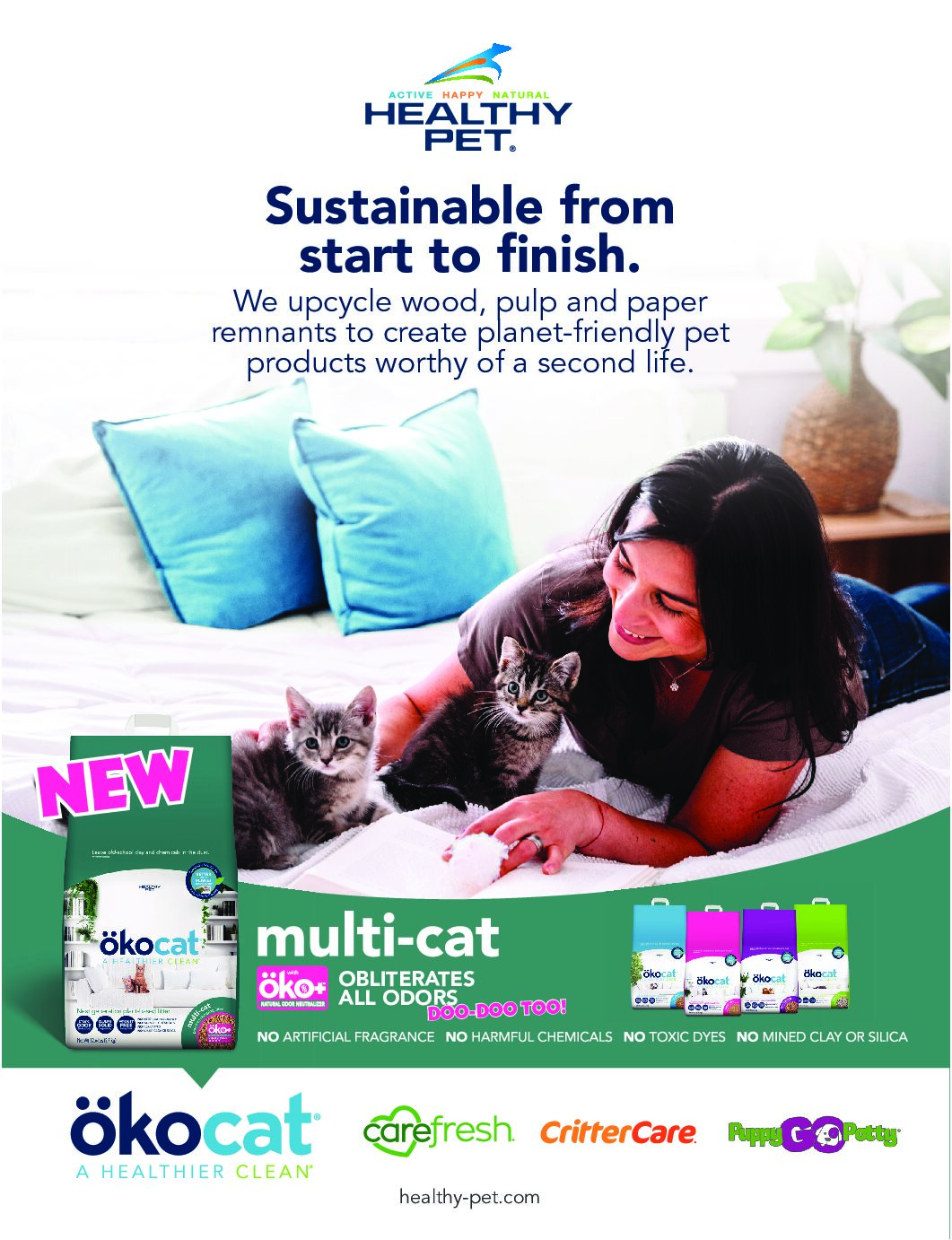
Kelly Rogers, Head of Sales for Healthy Pet, sees a lot to be optimistic about in the year ahead. She said, “We’re most optimistic about the growing alignment between what’s good for pets, people, and the planet and what makes long-term business sense. Retailers and consumers are increasingly seeking healthier, more transparent products, and we’re seeing that firsthand with our ökocat litters being among the fastest-growing products in the category. We’re also encouraged by advances in materials, manufacturing efficiency, and data that allow companies to reduce environmental impact while improving product performance. The year ahead feels like a real opportunity to scale sustainable innovation that resonates with our partners and consumers.”
Innovation and sustainability were also top of mind for Naturally Fresh. Marketing Director John Harrington said, “As awareness grows, consumers are becoming more intentional about minimizing their environmental footprint, and they expect the brands they support to do the same. This includes innovation in renewable materials, manufacturing processes, and packaging solutions that reduce waste without sacrificing performance.”
Jane Wasley, Head of Marketing for Healthy Pet, agreed. She reported, “Litter innovation will continue to incorporate smarter, healthier, and more sustainable features—from health monitoring options to advanced odor control formulas, consumers continue to embrace new science-based innovation. At the same time, they are increasingly choosing natural cat litters because they offer several advantages over traditional options. Natural litters are typically made from renewable, plant-based materials, so they are not only biodegradable, which significantly reduces environmental impact and landfill waste, but also tend to be low dust and free from synthetic chemicals and fragrance.”
Natural litters align with broader consumers’ growing preferences for healthier, eco-friendly products. And that means more cats wiping their paws with sustainable options for 2026.