
Category Analysis: Freeze-Dried Merchandising
The freeze-dried pet food market is rapidly evolving. Driven by pet parent demand for trust, transparency and high-quality ingredients, freeze-dried is shifting from treats to a complete, balanced diet. A regimen that combines the advantages of kibble, raw and fresh foods, focusing on whole-animal proteins and minimal fillers. Industry leaders are unfazed by challenges such as increasing competition and the need for consumer education about product benefits. Companies are instead defying barriers by prioritizing innovation, high-quality ingredients, clear communication and flexible feeding options to stand out. Overall, the market is expected to flourish and thrive as brands emphasize transparency and consumer trust, positioning freeze-dried pet food as an all-inclusive nutrition solution.
“We see several factors shaping the future of the freeze-dried category,” said Small Batch Pets CEO Steve Donzelli. “Consumers are more value-driven than ever, so the balance between price and perceived value is critical. While promotions will always play a role, shoppers increasingly want brands they can trust—brands that do the hard work for them. Ingredient integrity, food quality, and safety standards are paramount as pet parents carefully evaluate their options. Ultimately, the brands that win will be those that clearly differentiate themselves through innovation, transparency, and a commitment to excellence.”
One of the top challenges within freeze-dried is competition, but it doubles as motivation for manufacturers to continuously develop and refine the category.
“The biggest challenge is competition,” said Shepherd Boy Farms Founder Ashton Hood. “As freeze-dried continues to grow in popularity, more brands are entering the space. We actually welcome that. Competition pushes us to evolve, innovate, and continuously find new ways to stand apart. It keeps the category moving forward and challenges us to raise the bar.”
“One of the biggest challenges is helping people make sense of all the noise around pet food and understand what truly fuels their pets,” said Vital Essentials CEO Heather Govea. “As more feeding options enter the conversation, it’s important to explain what makes our raw different in a way that feels clear and practical. At Vital Essentials, we stay grounded in what we know works. Our recipes are made with up to 99 percent meat, organs, and bone, with no fillers like vegetables or grains, and organ-rich ingredients that naturally provide essential vitamins and minerals. When pet parents understand those differences and start to see the impact in their pets, that’s when real confidence builds.”
“The key challenge is simply education,” said Jamie Gunter, Director of Retail Marketing for Dr. Marty’s. “Consumers don’t start by thinking, ‘I want freeze-dried food, who is the best?’ They’re thinking, ‘I want to feed better food, but I don’t know where to start.’ That’s the gap we have to close. It starts at the category level—helping shoppers understand the difference between kibble, refrigerated, freeze-dried, and air-dried formats. Most pet parents don’t realize that freeze-dried food preserves the vitamins, enzymes, and proteins that high-heat kibble processing destroys. That’s a massive education opportunity right at the shelf.”

“Then there’s brand-level education: helping the shopper understand Dr. Marty’s nutrition philosophy, our formulation approach, and which formula fits their pet’s specific needs,” Gunter continued. “That’s why we are launching new QR code-enabled signage in independent stores this spring. A shopper can answer six simple questions while standing in the aisle, and it pairs them with the Dr. Marty formula best suited for their dog’s age, lifestyle, and health needs. It’s like having a knowledgeable store associate in your pocket.”
“We also invest heavily in consumer education before shoppers even step into a store,” she added. “Golden Pet Brands was built from a direct-to-consumer DNA, and we apply that same data-backed precision to retail. Our long-form educational content, national television, significant online investment, and proprietary storytelling reaches millions of pet parents annually, explaining what’s in the bag, how it’s made, and why it matters. By the time they walk into a neighborhood pet store, they already understand the value of what they’re buying. We call that our screen-to-shelf model, and it means retailers don’t have to sell—they fulfill demand we’ve already created.”
Manufacturers play a key role in driving innovation and understanding pet parents. Green JuJu takes this responsibility seriously. “If we’re trying to improve the health of pets, there was a period a long time ago where we got way into processed and maybe we lost sight of that,” said Green JuJu Founder Kelley Marian. “If our goal is to improve the health of pets, then we need to do that in a way that we need to stop ingredient splitting. We need to stop putting questionable ingredients in there and making them seem like they’re good. Make the highest quality product that you can with what you can do. Don’t try to make it seem more high quality by splitting ingredients or by using meat meals or something like that. Be straightforward with where you are in the market and what you’re doing. We need to be authentic and genuine of what we’re doing so that we’re not confusing our consumers. There’s nothing worse than somebody taking the jump from kibble to fresh food and everything goes wrong because maybe what they got wasn’t what they thought they were getting.”
After more than 20 years in the pet industry, Small Batch Pets persists in backing the retailers who have championed them throughout the years. “As we enter our 21st year in business, our strategy remains rooted in what has always defined Small Batch Pets: providing the best possible food options for pets using whole-food, organic ingredients and humanely raised proteins,” Donzelli with Small Batch Pets said. “We grew up in the independent pet channel, and it will continue to be our single biggest strategic focus in 2026. Our goal is to educate, excite, and enrich families by offering the highest-quality nutrition for their pets, while supporting the retailers and communities that helped build our brand.”
“In 2026, we’re staying focused on delivering superior nutrition and keeping the conversation simple,” Govea with Vital Essentials said. “There’s a lot happening in the market, especially as gently cooked continues to grow, but we also see how confusing it can be for pet parents trying to sort through it all. We believe pets do best on nutrient-dense, whole-animal protein rather than diets built around vegetables or grains that are harder to digest. Our role is to help make those differences easier to understand so people can feel good about what they’re feeding.”
For Dr. Marty’s, the focus is on neighborhood pet stores. Gunter explained, “We’ve built this brand alongside independent retailers from day one, and in 2026 we’re going deeper—not wider. Our focus is to supply them consistently, equipping them with better merchandising tools, and most importantly, driving foot traffic into their stores. This year we’ve expanded our national TV presence specifically to tell consumers where to find us—in their local pet store. We pair that with localized email, SMS, and social campaigns all funneling to our retail store locator. The goal is simple: when someone decides they want Dr. Marty, we make it easy to walk into a store and buy it that day.”
She continued, “The momentum speaks for itself. Dr. Marty Pets was named Dog Food Company of the Year by the 2025 Pet Innovation Awards. We’re not growing in spite of where we sell—we’re growing because of it. Freeze-dried thrives where the conversation happens, and that’s exactly where we plan to stay.”

“We’re going to keep seeing growth in the fresh food sector,” said Marian of Green JuJu of where she sees the freeze-dried food and treats category headed. “Freeze-dried is almost always a gateway to raw. All paths lead towards more fresh food.”
Shepherd Boy Farms predicts the next phase of growth within freeze-dried is enlightening pet owners that freeze-dried encompasses all of the benefits of kibble, raw and fresh. “Shifting the perception of freeze-dried from a ‘treat or topper’ to a complete and balanced way to feed,” Hood with Shepherd Boy Farms said. “Freeze-dried offers the convenience of kibble, the quality of raw, and greater palatability than fresh. The idea that consumers won’t pay for quality is outdated. Pet parents today are educated, intentional, and willing to invest in better nutrition for their pets.”
“Flexibility will continue to shape how people feed,” Govea with Vital Essentials predicts. “We see more pet parents mixing, topping, and rotating proteins as they look for ways to improve nutrition without turning feeding into something complicated. We often say there’s no wrong way to feed raw—whether someone is adding a scoop or feeding it every day, we’re here to meet pet parents where they are. At the same time, people want transparency. They want to understand what’s in the bowl and trust that it’s doing what it should for their pets.”
Dr. Marty’s believes the next big things in freeze-dried are acceptance and scale. “Those are the two forces reshaping freeze-dried right now,” Gunter said. “Acceptance because for a long time, feeding freeze-dried felt like breaking the norm. It was considered ‘alternative.’ That’s changed. Pet parents are more educated than ever on what’s actually in their dog’s food, and they’re making the switch. Freeze-dried has moved from niche to next-in-line. Scale because convenience is the unlock. Many consumers find Dr. Marty after struggling with other options—home-cooking, frozen, or formats that require real prep time. Those approaches can be great, but they don’t fit a busy lifestyle. What we keep hearing is that freeze-dried food gives pet parents the nutritional value they want with the shelf-stable, scoop-and-serve convenience they need. No thawing. No guesswork. No mystery ingredients. Just add water and serve. That’s where the growth is coming from—people realizing they don’t have to choose between feeding well and feeding realistically.”
Companies are interminably refining and sharpening their strategies to keep retail partners on their front foot.
In 2025, Green JuJu invested time and energy into creating videos and video assets to use through its RetailPet platform for training or for retailers to share through social media. “We are working on some more things for this year,” Marian said. “We’re going to make a retailers portal that is retailer facing about Green JuJu that they can put up and share product information. We participate in Astro so we do their frequent buyer. We do Astro offers quarterly. We have one whole person on our five-person team committed to retail and making sure they are being supported.”
“We’ve recently evolved our marketing approach to create a more balanced strategy—one that strengthens our digital presence while elevating the in-store experience for our retail partners,” Donzelli with Small Batch Pets said. “We’re investing more efficiently in promotions, maintaining a disciplined IMAP pricing model that protects retailer margins while giving stores a pricing advantage, and we launched a loyalty program last year that rewards our most dedicated customers. Looking ahead, we’re rolling out refreshed educational materials, updated store signage, and a more robust digital campaign that allows us to stay more closely connected to our consumers while driving meaningful traffic and engagement for our retail partners.”
“We’re investing heavily in support for our retail partners,” Hood with Shepherd Boy Farms said. “This includes building out a robust sampling program to bring new consumers into the brand, expanding our lineup with more novelty proteins to strengthen the section, and providing unmatched customer support. We don’t see stores as numbers; we value real relationships and work closely with our partners to help them grow and succeed.”
“We’ve spent a lot of time listening to our retail partners and sharing insights that help them make thoughtful decisions about what they carry,” Vital Essentials’ Govea said. “Independent retailers are often the ones having the real conversations with pet parents, and we see our role as supporting them with clear information and superior products. We’ve also worked to make our products easier to shop—clearer packaging, intuitive merchandising, and formats that fit how people actually feed—so those conversations feel natural and straightforward.”
“We’ve significantly evolved our portfolio over the years,” Gunter with Dr. Marty’s said. “We started with just one formula in small bags and now offer eight dry food options and keep growing the bag sizes. We have increased our formulas to make sure we are targeting all life stages and formulated for specific health issues like sensitive stomachs or skin & coat. We’ve also launched beyond dry food, adding wet offerings and, this spring, yak chews.”
Manufacturers attribute several trends and talking points that they believe will further drive the freeze-dried space forward this year.
“We expect continued growth in demand for functional nutrition, novel proteins, and transparency within the freeze-dried category,” Hood said. “Pet parents are increasingly label-savvy and are seeking products that offer both nutritional intent and ingredient integrity. We’re also seeing strong interest in rotational feeding and complementary nutrition, which aligns closely with how Shepherd Boy Farms approaches freeze-dried treats and toppers.”

“Innovation is moving toward making better nutrition easier to live with day to day,” Govea said. “For us, it starts with listening to what pet parents and retailers are asking for and responding thoughtfully. Our 3-lb bags came directly from demand for larger formats, and our updated RAW Bar packaging was designed to improve the experience while staying true to what’s inside. We’ll continue focusing on delivering high-quality, safe products that people can rely on.”
“The category is at an inflection point,” Gunter with Dr. Marty’s said. “More stores, more channels, and more brands are adding freeze-dried because the growth is undeniable. The conversation has shifted from ‘is freeze-dried a real category?’ to ‘how do we merchandise it better?’ For Dr. Marty, we’re staying focused on where we started—neighborhood pet stores and the retailers who’ve been with us from the beginning. We perform best where staff can have a real conversation with a pet parent about what’s in the bag and why it matters.”
“In terms of product innovation, we’re absolutely on trend—but we’re not chasing it,” she continued. “We’re anticipating where the consumer is going. This year we’re adding a small-breed version of our Sensitivity Select formula—freeze-dried and free from common triggers like chicken, beef, eggs, and grain. We’ve closely watched dog ownership trends, and the French Bulldog is now the number one dog in America, taking the reigning rank from the Lab. As people gravitate toward smaller breeds, our food portfolio is evolving to reflect that shift.”
“We’re also entering a new format entirely with Dr. Marty Yak Chews—three functional formulas targeting dental health, skin and coat, and digestion, available in three sizes,” she added. “It gives retailers incremental revenue from a brand their customers already trust, in a part of the store we haven’t been in before.”
“In 2026, we’re focused on helping pet parents better understand the differences between raw and gently cooked nutrition,” Govea said. “With so many messages coming at them, it’s easy for things to feel unclear, especially when gently cooked looks more like human food. Pets have different nutritional needs, and minimally processed raw provides nutrients in the form that pets are built to digest. Our goal is to make that distinction simple and approachable through clearer communication and tools that support families wherever they are on their feeding journey. I’m incredibly optimistic about how thoughtful pet parents have become.”
“I’m optimistic about how educated today’s pet parents have become,” Hood said. “They’re reading labels, asking where ingredients come from, and holding brands accountable. That’s healthy for the category. When transparency becomes the expectation, companies that have always focused on quality don’t have to change their story; they just have to keep doing what they’ve been doing well.”
As freeze-dried continues to evolve, companies that prioritize clarity, quality and collaboration will define the next chapter of growth.
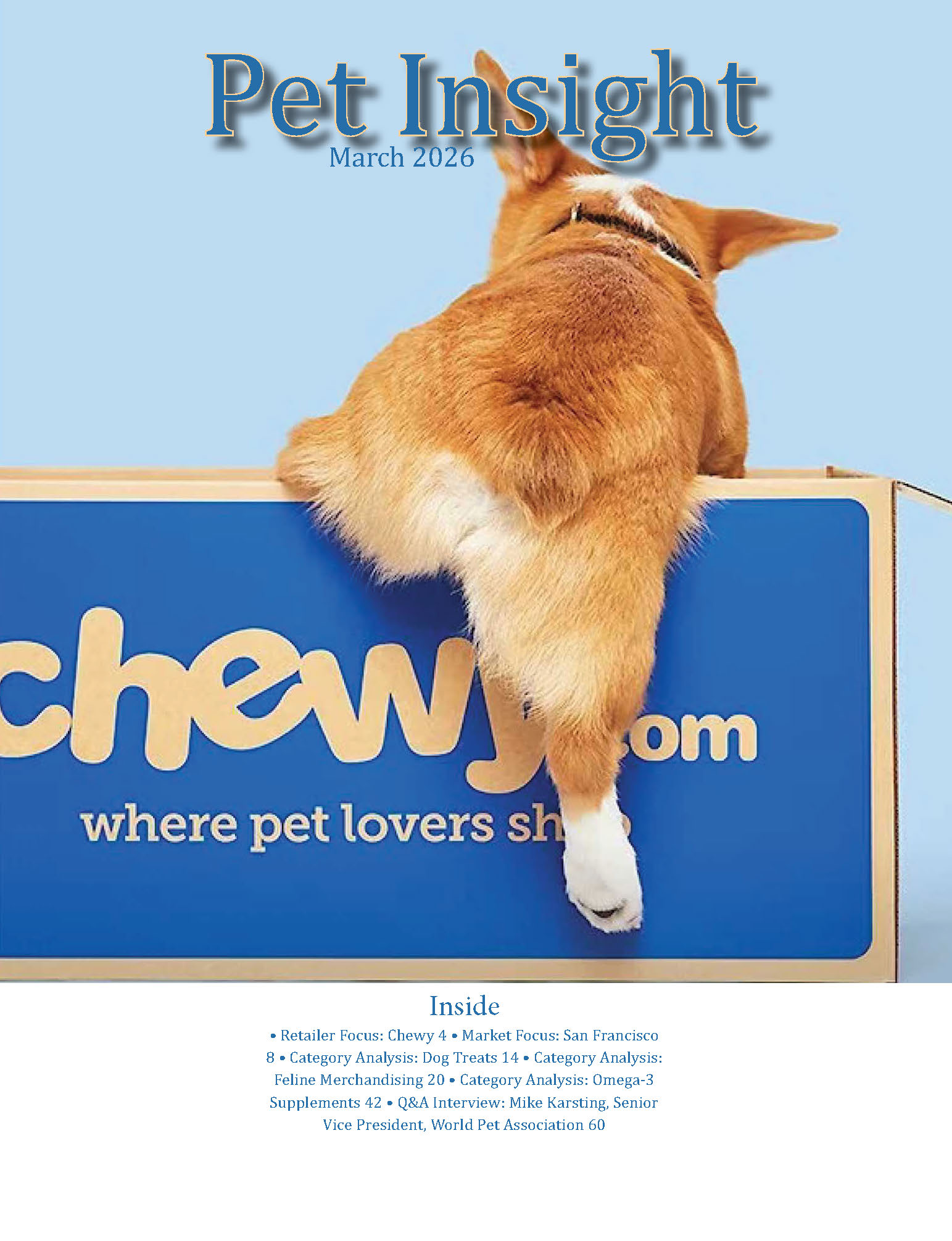
Inside
Category Analysis: Feline Merchandising
Category Analysis: Freeze-Dried Merchandising
Category Analysis: Health and Wellness
Category Analysis: Interactive Dog Toys
Category Analysis: Omega-3 Supplements
Category Analysis: LID Premium Foods
Special Report: Global Pet Expo Preview
Q&A Interview with Mike Karsting, Senior Vice President of the World Pet Association