
First Take: Dog Toys
Dog toys have evolved well beyond simple playthings. Today’s category spans everything from plush and chew to fetch, tug, and comfort toys—each serving a role in how dogs move, engage, and bond with their owners. As we look ahead to 2026, redefining dog toys is becoming less about novelty and more about purpose, quality, and how toys fit into a dog’s daily life.
The evolution toward intentional play is top of mind for many brands. Louisa Marvin, Marketing Director at Jolly Pets, relayed, “The most important trend is the shift from ‘toy as entertainment’ to ‘toy as wellness.’ Pet parents are connecting physical play to emotional health, weight management, behavior regulation and longevity. They are actively seeking products that support proactive wellness, not just momentary fun. Dogs are being viewed as individuals with different personalities, anxieties, chewing styles and motivations. Brands that succeed will deliver outcomes such as calm energy after play, confidence for rescue dogs, sustainability for eco-focused households, and enrichment for high-drive breeds.”
Michael Dagne, President of Huxley & Kent, added, “Retailers want toys that deliver real value. That means durability, unique play, and a clear reason to exist on the shelf.”
Bob Flynn, owner, and Julie Krauss, Co-founder of HuggleHounds agreed, “The most important trend is the shift from single-purpose toys to enrichment-driven play systems. Pet parents are seeking toys that do more than squeak; they want products that engage dogs mentally, slow them down, and offer purposeful play. This includes foraging, sniffing, problem-solving, and toys that can be used in multiple ways over time. Leaders who succeed in 2026 will be those who design toys with intention, not just novelty, and clearly communicate how and why the toy benefits the dog.”
But what do retailers prioritize when stocking toys? Retailers like Janet Cesarini, Founder and Owner of Pupology, look for the source of origin, including materials and manufacturing. “I’m a strong proponent of rubber vs. plastic, natural fibers, and USA-made products. In my opinion, I foresee toys becoming safer and more sustainable regarding the materials they are made of. I see a trend toward wellness and pet parents being more mindful about what they buy for their pets.”
“We try to offer toys that are better quality so that they will stand up to aggressive chewers. I prefer recommending toys that are guaranteed by their manufacturers,” said Bruce Meltzer, owner of Treat Your Pet.
Andy Arnold, owner of Andy’s Pet Shop, shared the challenge of choosing dog toys is trying to find something that is unique but also durable. He said, “Brands like Kong and Nylabone are showing up everywhere, like at Target and grocery stores. So, we need something that looks fun, strong, and somehow also reasonably priced. Strong and durable toys seem to perform better in the category. The last thing any customer wants is to buy a toy and have stuffing all over the floor in under 10 minutes.”
With dog toys taking on different roles, many leaders are rethinking how they approach product development and strategy. Flynn and Krauss of HuggleHounds reported, “Our top strategic focus in 2026 is building complete play experiences, not just individual toys. That means designing toys, accessories, and complementary products that work together to support enrichment, durability, and emotional connection. We’re also focused on deepening brand trust by continuing to innovate around quality materials, thoughtful construction, and play patterns that dogs naturally love, especially sniffing, seeking, tugging, and comforting.”
A similar emphasis on intention and outcomes is shaping Jolly Pets’ roadmap. Marvin shared, “We are expanding our portfolio and storytelling around toys that deliver measurable wellness and enrichment benefits. That includes solutions for high drive and working dogs, toys designed around different play motivations, product bundles aligned to life stages, and veterinarian-supported education that connects play to behavioral and physical outcomes. We are also investing in data and retail enablement. We want to understand what products drive conversion, what packaging claims drive trust, and how we can help retailers build assortments that meet the needs of real dogs.”
In the coming year, Huxley & Kent is honing in on reinforcing its partnerships with retailers. Dagne of Huxley & Kent responded, “Creating innovative, high-performing toys while strengthening how we support our retail partners. That includes tighter assortments, dependable inventory, even better customer service, and products that help retailers drive sales.”
“At Playology, we’re focused on elevating the pet play experience through science-backed innovation. The rope toy category stood out as an area that hadn’t seen much advancement. While rope toys are a classic staple, most available options were messy, wore down quickly, and didn’t offer anything new in terms of engagement. We saw an opportunity to bring something better to the table. By integrating our patented Encapsiscent technology and using Dri-Tech fibers that wick away slobber, we created a rope toy that solves real pain points for pet parents while keeping dogs excited to play,” Kailey Jimenez, Marketing Brand Manager at Playology Pets.
“Relevance comes from understanding what retailers need right now,” Dagne of Huxley & Kent explained. Products that offer strong play value and a clear story on the shelf. The opportunity is in everyday toys that consistently stand out through design, function, and fun.”
Marvin of Jolly Pets agreed, pointing to purpose-driven communication as a defining factor. “Relevance in 2026 will be defined by clarity of purpose. Pet parents want to understand what a toy does for their dog, not simply what it is made of. Companies that clearly communicate the benefit, the desired outcome, and the problem being solved will earn trust faster and convert at a higher rate.”
In a category that’s innovating with so many new benefits and uses, what can we expect next? Dagne of Huxley & Kent predicts, “Innovation is moving toward smarter construction and better play experiences. The biggest disruption will come from brands that deliver multi-functional toys that still feel fresh and exciting to both retailers and consumers.”
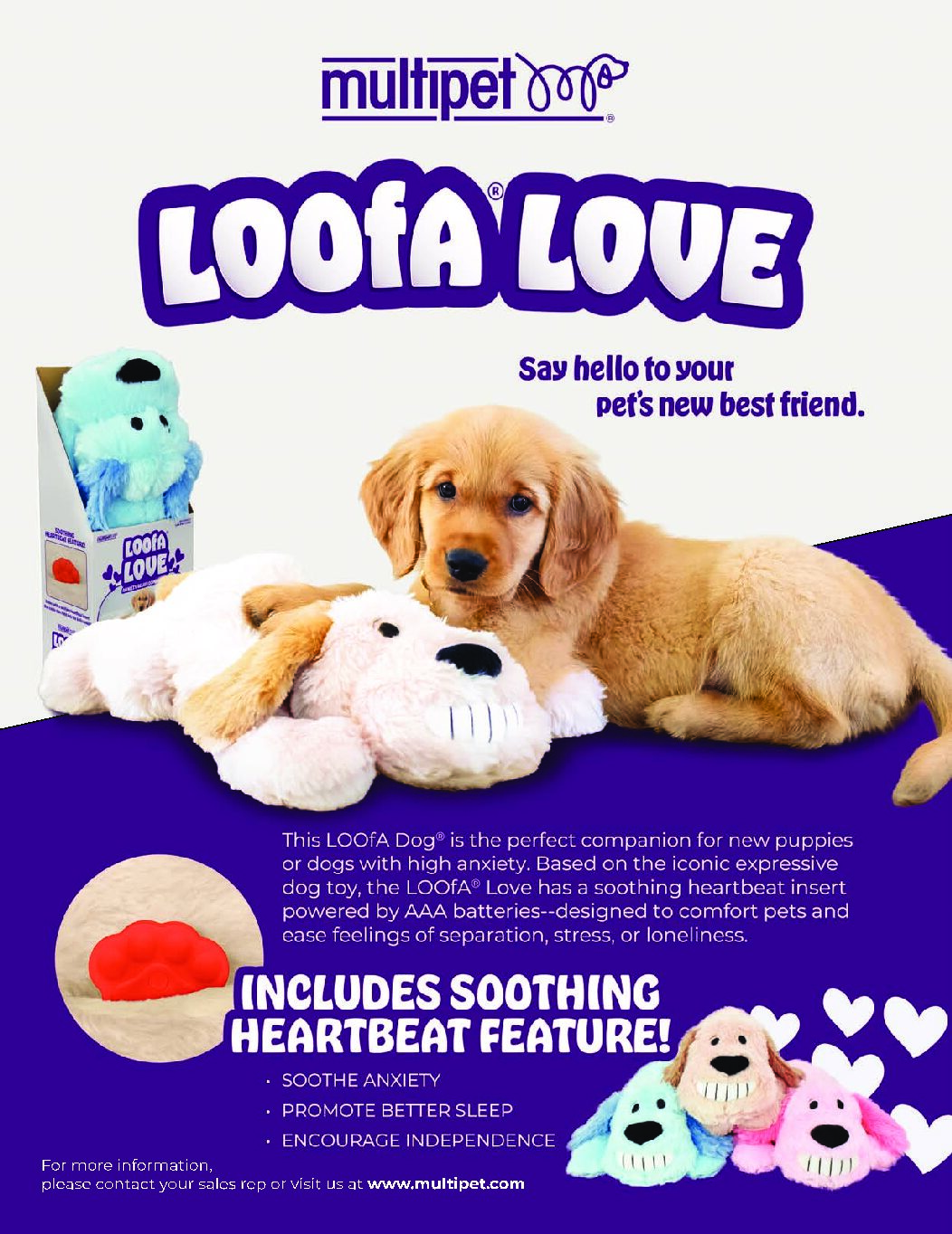
Marvin of Jolly Pets sees innovation moving toward outcome-based design. “Innovation is heading toward function-based toys that are created for specific outcomes such as calming, confidence building, or weight management. We expect growth in multi-sensory stimulation such as scent, texture contrast, and sound response. There is also a growing opportunity for products that align with technology-based wellness insights, even if the toy itself is not connected tech. We expect growth in inclusive play design, including aging dogs, differently abled dogs, reactive dogs, and working dogs.”
Flynn and Krauss of HuggleHounds expect the category will be enhanced with mindful product solutions. “Innovation is moving toward smarter simplicity, toys that look playful but are backed by thoughtful design,” they explained. “We expect to see fewer gimmicks and more intentional solutions that combine durability, enrichment, and emotional connection. One area to watch is the rise of toys designed as systems rather than standalone items, along with a stronger focus on nose-work and slow play.”
“We’ve taken a category that’s often overlooked and reimagined it through the lens of innovation, what a dog would want in a toy,” shared Jimenez at Playology Pets. “Our ropes toys are made with ultra-strong Dri-Tech fibers that help keep them clean and dry, and they’re embedded with all-natural scents using our Encapsiscent Technology to keep dogs engaged up to 7x longer than unscented toys. The result is a rope toy that’s cleaner, stronger, more stimulating, and built to perform – something pet parents can trust, and dogs actually want to play with.”
Jennifer Kruegel, Director of Product Management at Fringe Studio, said, “When we started creating plush dog toys, we knew our original toy designs created by our in-house illustration team would resonate with the market as the plush toy category needed a refresh and felt a little stale.”
She continued, “Plush toys are now our largest product category, and over the last couple of years, we’ve expanded our team to meet the demand for newness and innovation. We continue to push ourselves to think outside the box and offer pet toys that are unique and help enhance and/or extend playtime without sacrificing style.”
With pet parents more engaged than ever, industry leaders remain optimistic. Marven of Jolly Pets shared, “I am optimistic because we have never had a more emotionally invested consumer. Pet parents are informed, passionate, and deeply connected to their pets, which creates a stronger demand for products that genuinely improve the quality of life. I am also encouraged by the growing willingness of retailers to partner on insights, education, and activation. When brands bring plans instead of just products, retailers win, pet parents win, and pets benefit the most.”
Flynn and Krauss of HuggleHounds shared. “They’re asking better questions, seeking products with purpose, and truly viewing their dogs as family members. That creates space for meaningful innovation, especially in enrichment and mental wellness. We’re also excited by retailers who want differentiated stories, not just crowded shelves, and are partnering closely with brands that bring something genuinely new to the category.”
As 2026 approaches, one thing is clear: redefining dog toys beyond entertainment is no longer optional—it’s becoming the industry standard. Toys are being designed with intention, backed by insight, and built to support wellness, enrichment, and emotional connection at every life stage. The future of the category isn’t about more toys on the shelf, but better ones—thoughtfully designed, purpose-driven, and made for how dogs live today.