
First Take: Dog Treats
For years, pets have been treated like family. This ongoing trend of humanization has driven owners to seek healthier, human-grade diets and treats that mirror their own lifestyles. As we look ahead to 2026, the question isn’t whether humanization will continue—but how it will evolve under growing economic pressure.
Dewar Gaines, CEO of Gaines Family Farms, believes the answer is clear. “Most ‘trends’ in dog treats are really symptoms of one underlying force: Humanization,” he explained. “At its core, humanization isn’t a single trend—it’s a mindset shift rooted in how people see their dogs and the role they play in their lives. Dog treats are no longer viewed as indulgences. They are extensions of daily routines, much like vitamins, snacks, or wellness products their human counterparts eat! Treats are becoming functional, intentional, and emotionally justified purchases. Consumers don’t want to feel like they’re ‘spoiling’ their dog; they want to feel like they’re doing something good for them.”
Consumers’ mindsets are also shaped by what’s happening outside the pet aisle.
“We continuously monitor the human marketplace and emerging innovations. Every trend in the human sector eventually influences the pet market as consumers extend their lifestyles to their pets,” conveyed Dan Nagy, VP of Sales of Loving Pets, who recently won People Magazine’s prestigious 2025 Pet Product Awards. He also believes affordability without compromising quality will be a new trend. “As everyone keeps an eye on expenses, consumers have shifted to lower-cost options when needed. Any change in taste or quality is quickly noticed by pet parents.”
Rick Ruffolo, President and CEO of Phelps Pet Products, also thinks 2026 will bring a focus on value.
“All indicators suggest that consumers have reached a near-breaking point across many segments of the economy following a 5-year inflationary assault on their spending power, and while the pet care category continues to fare better than most, it is foolish to think the pet care category is immune to this dynamic.” He goes on to add, “More so than at any point in the last decade or two—all decisions in the pet care category should be viewed through the lens of value.”
Juan Reynal, COO of Beefeaters, believes it’s not just about low price, it’s about quality. Particularly in the case of private label items, consumers have come to expect value without scrimping on quality ingredients.
“It’s no longer about being the lowest-price option—it’s about delivering credible quality, transparency and value. Retailers are investing in private label because pet parents trust them, and they expect those products to meet the same standards as national brands.”
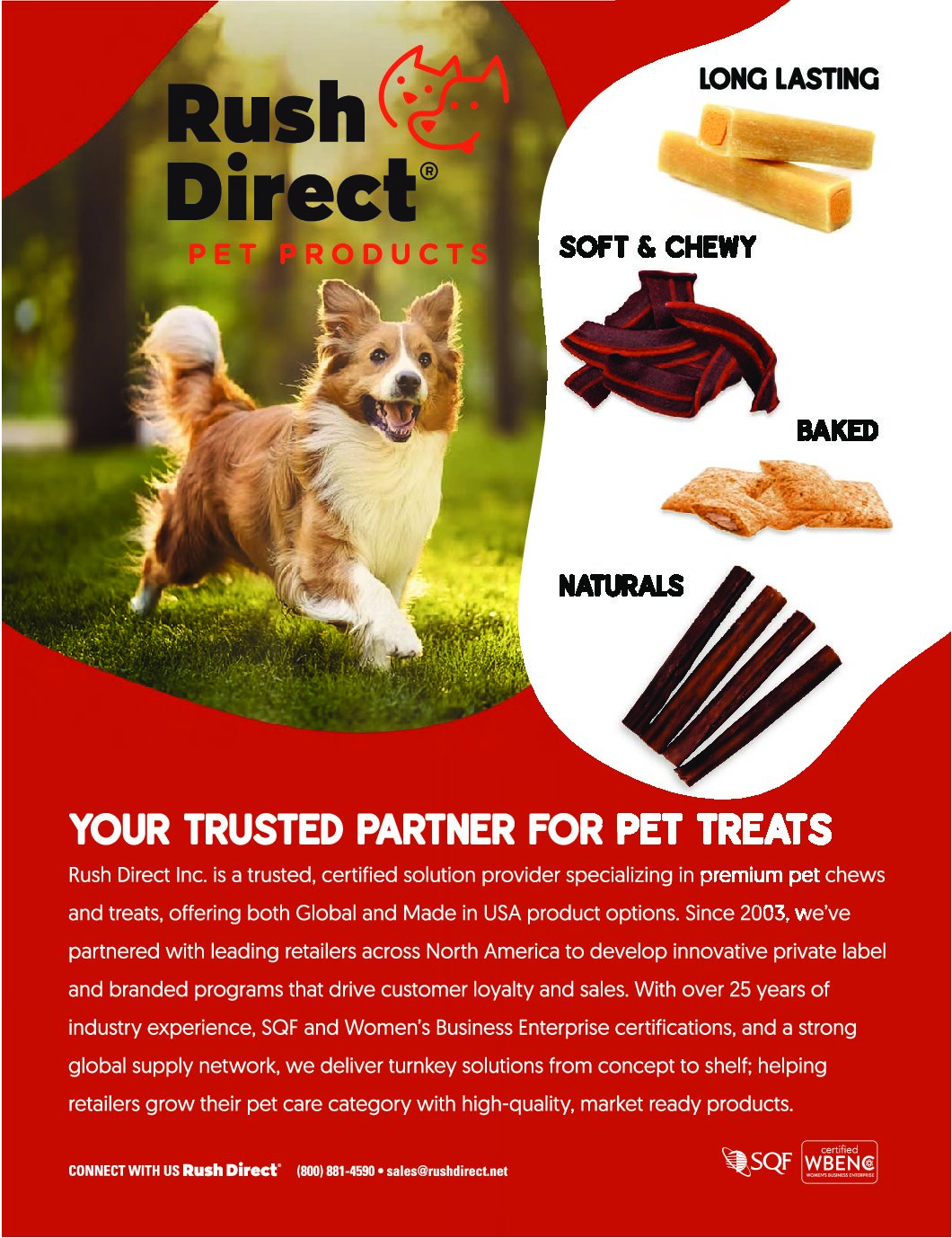
That expectation extends beyond pricing and into product performance and purpose. Reynal added, “Pet parents no longer see treats as indulgences—they expect them to deliver real benefits, whether that’s digestibility, long-lasting engagement, or functional health support. Clean labels, simple ingredients, and formats like collagen or natural chews are winning because they combine transparency with functionality.”
A company’s longevity in the treats category and glowing credentials are just as important to retailers and pet parents as the innovative products and packaging manufacturers deliver to the treats space.
“Leaders need to pay attention to brands with a proven track record for quality,” said Mark Pasco, Vice President of Sales at Walk About Pet.
Pet parents, specifically Millennials and Gen Z, are inquisitive and want to uncover the story behind the brand. More so than previous generations, they are interested in the people who manufacture their pets’ treats and are curious as to how the recipes are formulated and where ingredients are sourced from, on top of demanding reassurance that the products are safe for their pets. They look for natural, functional, sustainable, and ethically sourced dog treats, and prioritize wellness with options like human-grade ingredients, collagen, insect protein, freeze-dried/raw, and limited ingredients.
Justin Magnuson, VP Sales and Marketing of Raw Bistro, relayed, “There is a much stronger focus on sourcing transparency and safety. Pet parents want to know where the ingredients come from, how they were handled and what brands are doing to keep products safe.”
Where are dog treat companies focusing their efforts and their strategies this year?
“2026 is a year when innovation will be key to success,” said Ruffolo of Phelps. “Phelps’ investments over the last decade in people, equipment, processes, and innovative products have enabled us to partner with our customers to create customized clean-label jerky dog treats and specialty air-dried dog food using the widest selection of protein sources, shapes, and product claims in the market.”
Innovation at Phelps is leading in some new directions. He revealed, “We are most excited about some advancements we are pursuing in addressing pet ‘hydration’ which is a key unlock to better health for pets, humans, and frankly, all organisms. Hydration is one of the key building blocks of life—for survival, recovery, and growth. Most any aspect of pet health is enhanced or improved through better hydration, and yet, it often is an overlooked aspect of pet care. Simply having a bowl of clean water is a good first step, but this often is not sufficient, and helping address the hydration gap is where we you will see innovation from Phelps, starting with our new H2GO! hydration gel product that will be launching under the Phelps Wellness Collection later in 2026.”
Gaines, of Gaines Family Farms, also agreed with innovation as the top strategic focus. He stated, “Our focus is on bringing genuinely innovative, high-quality products to market at price points that remain accessible. We believe innovation only matters if it reaches real households, not just premium niches. This means smarter sourcing, disciplined product design, and a relentless focus on value without cutting corners on quality or purpose.”
He added, “In 2026, success won’t be defined by who can charge the most, but instead by who can earn trust by delivering more for less.”
That balance between novelty and purpose is also shaping how brands differentiate themselves.
All American Pet is home to two brands that have elevated the treat category by addressing dogs’ innate need for protein in their diet and using higher quality meats: Walk About Pet, which introduced pets to whole and exotic proteins, and The Wild Bone Company, whose treats are made with whole muscle protein, the same cuts that pet parents would eat.
Pasco explained, “The Walk About Pet brand is focused on exotic proteins like alligator, kangaroo, wild boar and duck. The Wild Bone Company brand is focused on more basic barnyard type proteins like beef, chicken, turkey and venison. Being laser focused, we are able to create both the better-best scenario in the treat category.”
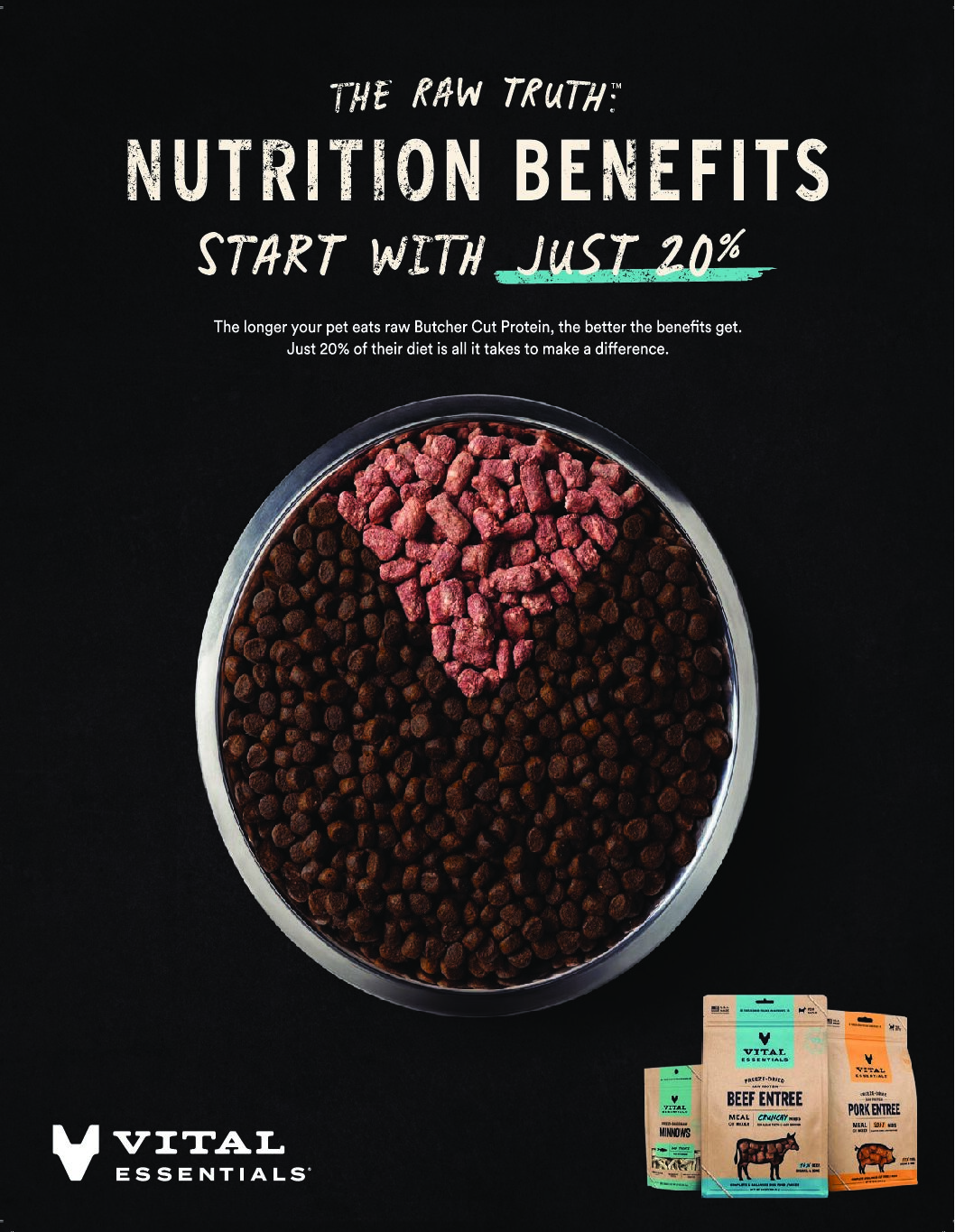
Balance is key: Manufacturers are challenged with regularly introducing new and exciting elements to the category while also remaining anchored to their purpose and practices that have withstood the test of time.
Magnuson of Raw Bistro relayed, “For us, it’s about growing our single ingredient, minimally processed treats and chews while staying true to the same sourcing and food safety standards we’ve always had. We’re leaning into what we know works: human-grade ingredients, clean labels, and made-in-the-USA production in our Minnesota facility.”
Dan Nagy, VP of Sales at Loving Pets, is also emphasizing USA-made treats.
“Tariffs have significantly affected the US market, and we aim to highlight our capabilities in USA-made products to provide consumers with alternatives.”
Reynal of Beefeaters is all in on mindful growth for 2026 that makes sense for the company and furthers its reason for being in this category.
“Disciplined growth with the right partners. That means expanding with retailers where we can bring meaningful differentiation—through natural ingredients, reliable execution, and formats that make sense for each channel—while continuing to strengthen our supply chain and service levels. Growth matters, but sustainable growth matters more.”
The one thing all the pet treat leaders agreed on—there’s a lot to be optimistic about this year.
Ruffolo of Phelps Pet Products replied, “Phelps is celebrating its 60th year in 2026, and we are excited about charting the path to our next 60 years as we continue to partner with some of the industry’s best, most influential, and most innovative brands and retailers. So, I think it is fair to say that we are grateful for the opportunity to bring optimism, a can-do attitude, and our innovative capabilities to each and every customer interaction we have in 2026.”
Gaines, of Gaines Family Farms, pointed to expansion as a bright spot, “Cat is booming and we are jumping in! We plan to bring high-quality, palatable, American-made cat treats to the market in late Q2!”
Magnuson of Raw Bistro expressed optimism driven by education.
“I’m really encouraged by how educated pet parents are becoming. More people are taking the time to understand ingredients, processing methods, and the downsides of ultra-processed foods. As that awareness grows, so does interest in real-food, minimally processed options. That’s a big positive for the category.”
“We are developing many new products for 2026,” announced Nagy of Loving Pets. “We invested in new machinery that broadens our capabilities beyond what they were before.”
“I’m most optimistic about how thoughtful the category has become,” Reynal of Beefeaters said. “Retailers and consumers are more aligned than ever around quality, transparency, and value. That creates space for brands like Beefeaters that focus on doing the fundamentals right—from sourcing to packaging to consistency—and building long-term trust rather than chasing short-term trends.”
Pasco at Walk About Pet summed it up succinctly, “I am most optimistic about the fact that every one of our products is Made in the USA and by making sure we can convey this message to consumers who will drive demand.”
The message from industry leaders is clear: the dog treat category is entering 2026 with cautious optimism, driven by innovation, transparency, and a renewed commitment to delivering real value that today’s informed pet parents can trust.